
What Stands Out
The Q2 listing specifies a 402 × 438 × 494 mm body, a hotend rated up to 370°C, a 120°C bed, direct extrusion and compatibility with the QIDI Box multicolor accessory. Supported materials listed include PLA, PETG, ABS, ASA, TPU and selected engineering filaments.
The captured QIDI listing identifies Q1 Pro as discontinued and points to Q2 as the replacement. The Q1 Pro's listed 245 × 245 × 240 mm build volume and 60°C active chamber are smaller and cooler respectively than the Q2 figures cited in the manufacturer's comparison.
The PA12-CF listing names 1.75 mm diameter material, recommended 280–300°C nozzle temperatures and drying at 80–100°C for 4–6 hours. It explicitly says a 0.2 mm nozzle is not compatible and mentions use with QIDI Box.
The Max4 listing gives a 390 × 390 × 340 mm build volume, printer dimensions of 558 × 578 × 612 mm, a 370°C-rated hotend and QIDI Box compatibility. It also describes a camera-assisted detection feature and a maximum 800 mm/s toolhead speed.
What to Check
Measure both machine footprint and full working clearance.
Match build volume to the largest intended object.
Review compatible filament, nozzle and ventilation requirements.
Product Review
1. QIDI Q2 3D Printer
Product overview
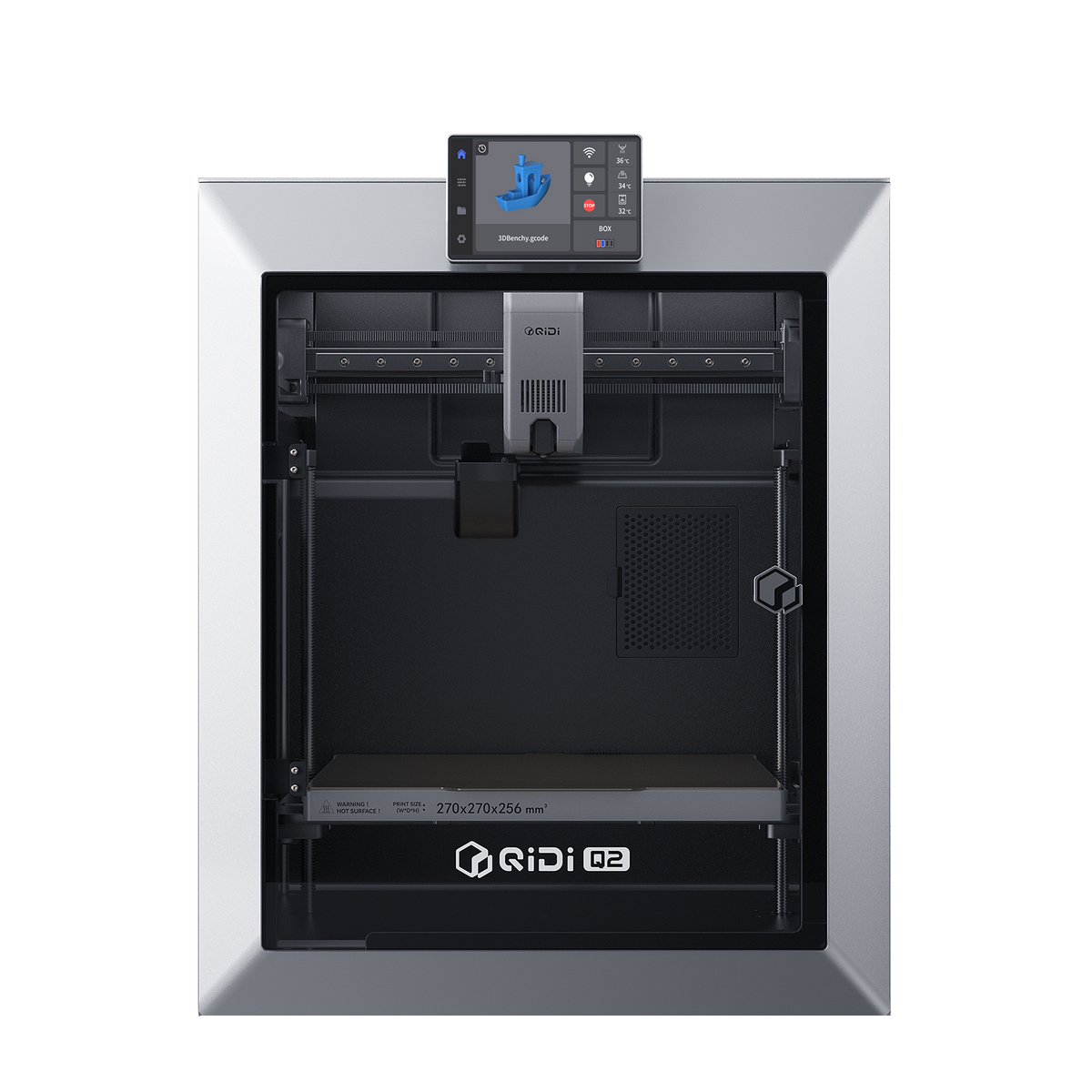
Who it suits: A versatile current-generation QIDI printer for users who want a 270 × 270 × 256 mm build volume without stepping up to the larger Max4.
What the listing establishes: The Q2 listing specifies a 402 × 438 × 494 mm body, a hotend rated up to 370°C, a 120°C bed, direct extrusion and compatibility with the QIDI Box multicolor accessory. Supported materials listed include PLA, PETG, ABS, ASA, TPU and selected engineering filaments.
Before you buy: Confirm QIDI Box is included or sold separately, check filament requirements and leave enough room for access and ventilation. The 600 mm/s figure is a stated maximum toolhead speed, not a promise that every print will finish at that rate.
Buying view: Consider this QIDI Q2 3D Printer only when its stated capability solves your specific need; check the exact variation and current listing rather than treating marketing specifications as independently tested results.
2. Qidi Tech Q1 Pro 3D Printer
Product overview
Who it suits: Existing owners seeking compatibility or shoppers considering a remaining Q1 Pro unit.
What the listing establishes: The captured QIDI listing identifies Q1 Pro as discontinued and points to Q2 as the replacement. The Q1 Pro's listed 245 × 245 × 240 mm build volume and 60°C active chamber are smaller and cooler respectively than the Q2 figures cited in the manufacturer's comparison.
Before you buy: Check residual inventory and official support before buying a discontinued model. Used-unit condition, spare parts and software support are more important here than introductory pricing.
Buying view: Consider this Qidi Tech Q1 Pro 3D Printer only when its stated capability solves your specific need; check the exact variation and current listing rather than treating marketing specifications as independently tested results.

3. PA12-CF Filament
Product overview
Who it suits: Experienced FDM users printing functional, carbon-fiber-reinforced parts and already equipped to handle engineering filaments.
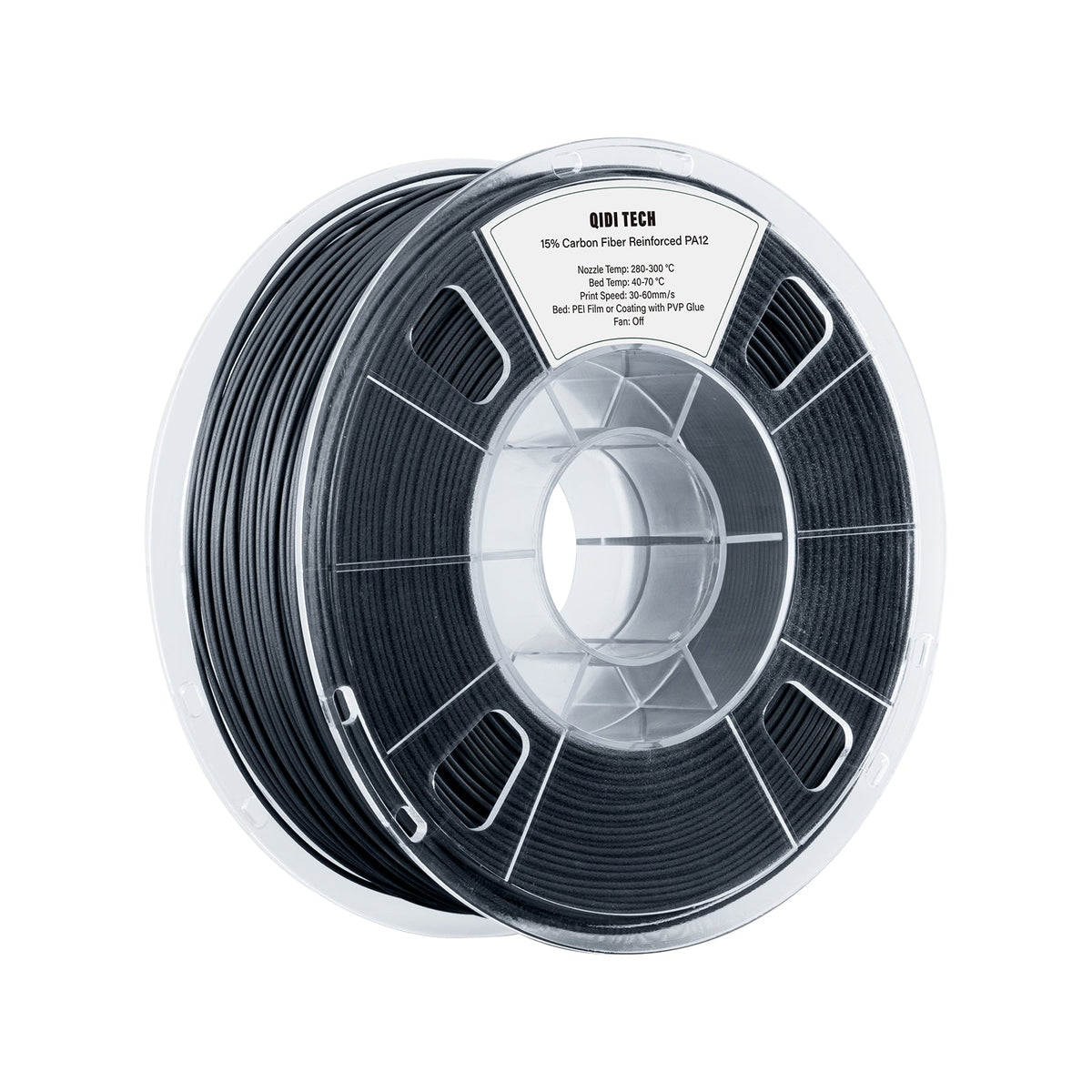
What the listing establishes: The PA12-CF listing names 1.75 mm diameter material, recommended 280–300°C nozzle temperatures and drying at 80–100°C for 4–6 hours. It explicitly says a 0.2 mm nozzle is not compatible and mentions use with QIDI Box.
Before you buy: Verify your printer, nozzle type and ventilation are suitable. Follow the manufacturer's drying and build-plate guidance; this is consumable filament, not a separate printer.
Buying view: Consider this PA12-CF Filament only when its stated capability solves your specific need; check the exact variation and current listing rather than treating marketing specifications as independently tested results.
4. QIDI Max4 3D Printer
Product overview
Who it suits: People who regularly print larger functional objects and can accommodate a substantially larger printer.
What the listing establishes: The Max4 listing gives a 390 × 390 × 340 mm build volume, printer dimensions of 558 × 578 × 612 mm, a 370°C-rated hotend and QIDI Box compatibility. It also describes a camera-assisted detection feature and a maximum 800 mm/s toolhead speed.
Before you buy: Consider the much larger footprint and listed roughly 40 kg net weight. Check whether any multicolor add-on is part of the chosen bundle, and evaluate real material performance rather than the maximum-motion specification.
Buying view: Consider this QIDI Max4 3D Printer only when its stated capability solves your specific need; check the exact variation and current listing rather than treating marketing specifications as independently tested results.

Buying Notes
- Measure both machine footprint and full working clearance.
- Match build volume to the largest intended object.
- Review compatible filament, nozzle and ventilation requirements.
- Check whether QIDI Box is included in the exact printer variant.
- Treat advertised maximum toolhead speeds as specifications, not guaranteed real-print speed.
Final Verdict
For a mainstream printer with a smaller footprint, start with Q2. Choose Max4 when you need its larger build volume. Q1 Pro is a discontinued option best considered with support in mind; PA12-CF is a material purchase for compatible equipment, not an alternative printer.
FAQ
Which QIDI printer is better for large prints?
The Max4 has the larger manufacturer-listed build volume: 390 × 390 × 340 mm versus 270 × 270 × 256 mm for Q2. Check its much bigger footprint before choosing.
Is QIDI Q1 Pro still current?
The captured manufacturer page described Q1 Pro as discontinued and directed buyers to Q2. Check current replacement availability and support before purchase.
Can QIDI PA12-CF be printed on any 3D printer?
No. It requires compatible equipment and appropriate nozzle, temperature, drying and ventilation arrangements. The listing specifically states that a 0.2 mm nozzle is not compatible.
How We Researched
We used the available merchant product information recorded in TrekReview's source snapshot and separated confirmed listing details from buyer considerations. We did not conduct independent testing or verify current prices.
Related Reviews & Comparisons
What Matters Most When Choosing
QIDI's catalog mixes complete 3D printers with specialty filament. The key buying decision is not simply which product advertises the fastest motion system: build volume, desk space, enclosure requirements, material handling and operating experience have to fit the projects you actually print.
Use the differences below to narrow your options. Manufacturer-supplied features are useful starting points, but they should not be mistaken for hands-on performance testing.
Compare Options
Compare Options
Compare the items by use case and the practical details to confirm before ordering.
| Product | Best for | Buyer check |
|---|---|---|
| QIDI Q2 3D Printer | A versatile current-generation QIDI printer for users who want a 270 × 270 × 256 mm build volume without stepping up to the larger Max4. | Confirm QIDI Box is included or sold separately, check filament requirements and leave enough room for access and ventilation. The 600 mm/s figure is a stated maximum toolhead speed, not a promise that every print will finish at that rate. |
| Qidi Tech Q1 Pro 3D Printer | Existing owners seeking compatibility or shoppers considering a remaining Q1 Pro unit. | Check residual inventory and official support before buying a discontinued model. Used-unit condition, spare parts and software support are more important here than introductory pricing. |
| PA12-CF Filament | Experienced FDM users printing functional, carbon-fiber-reinforced parts and already equipped to handle engineering filaments. | Verify your printer, nozzle type and ventilation are suitable. Follow the manufacturer's drying and build-plate guidance; this is consumable filament, not a separate printer. |
| QIDI Max4 3D Printer | People who regularly print larger functional objects and can accommodate a substantially larger printer. | Consider the much larger footprint and listed roughly 40 kg net weight. Check whether any multicolor add-on is part of the chosen bundle, and evaluate real material performance rather than the maximum-motion specification. |
Buyer Checklist
- Measure both machine footprint and full working clearance.
- Match build volume to the largest intended object.
- Review compatible filament, nozzle and ventilation requirements.
- Check whether QIDI Box is included in the exact printer variant.
- Treat advertised maximum toolhead speeds as specifications, not guaranteed real-print speed.
Check current model variants, prices and purchase terms at checkout. Availability, shipping and warranty terms were not independently confirmed in the captured source.
Our Verdict
For a mainstream printer with a smaller footprint, start with Q2. Choose Max4 when you need its larger build volume. Q1 Pro is a discontinued option best considered with support in mind; PA12-CF is a material purchase for compatible equipment, not an alternative printer.
The recommendations above are based on the distinctions in the captured specifications, not on independent testing, firsthand ownership or a verified discount.